Timeline of Rav Kook's Life (1865-1935)
תרכ"ה (1865)
Born on the 16th of Elul, 5625 (Sep. 7, 1865) in Greive (now Griva), a suburb of Dvinsk in Latvia.
תרמ"ד (1884)
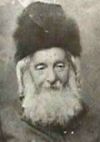
At age 18, he studied for a year and a half at the famed Volozhin yeshiva. The head of the Volozhin yeshiva, Rabbi Naftali Tzvi Berlin (the "Netziv"), held the ilui [prodigy] from Griva in high esteem.
תרמ"ו (1886)
תרמ"ח (1888)
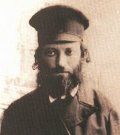
Appointed rabbi of Zeimel (Zeimelis) in Lithuania at age 22. Launched a short-lived monthly rabbinic journal, Itur Sofrim.
תרמ"ט (1889)
During his stay in Zeimel, Rav Kook's first wife died. He later married Raiza-Rivka Rabinowitz, daughter of the Aderet's twin brother. She was the mother of Rabbi Tzvi Yehuda Kook.
During this period, he studied with the great Kabbalist, Rabbi Shlomo Elyashiv, author of Leshem Shevo Ve-Achlamah.
תרנ"ה - תרנ"ו (1894-1896)
Collected 38 sermons in the book Midbar Shur. The manuscript disappeared and was only published a century later in 1999.
תרנ"ו (1896)
Became rabbi of Boisk (now Bauska), Latvia. Wrote Musar Avicha, a treatise on moral reflections.
תרס"ד (1904)
תרס"ה (1905)
Published the first chapters of Orot HaTeshuvah, as well as Eder HaYakar and Ikvei Hatzon.
תר"ע (1910)
Sabbatical year. Published the Halachic work, Shabbat Ha'Aretz, in defense of the heter mechirah.
תרע"ד (1913)
Led a mission of rabbis to settlements in the north to strengthen religious observance.
תרע"ה (1914)
תרע"ו (1916)

Arrived in London to serve as rabbi of Machzikei HaDat congregation. Published the mystical treatise Rosh Millin.
תרע"ט (1919)
Returned to Eretz Yisrael and accepted the position of Chief Rabbi of Jerusalem.
תר"פ (1920)
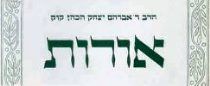
Orot — Rav Kook's most famous work — was published, edited by his son, Rabbi Tzvi Yehuda Kook.
תרפ"א (1921)
תרפ"ד (1924)
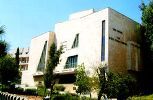
Established the Mercaz HaRav yeshivah in Jerusalem.
תרצ"ה (1935)