רַבִּי שִׁמְעוֹן אוֹמֵר, שְׁלֹשָׁה כְּתָרִים הֵם: כֶּתֶר תּוֹרָה וְכֶתֶר כְּהֻנָּה וְכֶתֶר מַלְכוּת; וְכֶתֶר שֵׁם טוֹב עוֹלֶה עַל גַּבֵּיהֶן:
Rabbi Shimon taught: “There are three crowns: the crown of Torah, the crown of priesthood, and the crown of royalty. But the crown of a good name surpasses them all.”
What is this crown of shem tov, a good name? Why does it surpass the crowns of Torah, priesthood, and kingship?
A name does not serve the one who bears it. It serves others, enabling them to identify, address, and remember him.
So too, a “good name” is not a record of one’s spiritual and moral achievements. It refers to the positive impact one has on others. It denotes the ability to enlighten and uplift others, to awaken their inner goodness.
Those who rise in spiritual and moral stature bear an added responsibility. Their task is not only their own perfection but that of those around them. Thus Job would bring offerings to atone for possible failings of his children (Job 1:5). The influence they exert through example, teaching, and moral presence — this is the essence of shem tov.
Influence on Future Generations
Solomon likewise praised the value of a good name with a striking image: “A good name is better than precious oil” (Kohelet 7:1). Why compare it to shemen tov, “precious oil”?
Some are recognized in their lifetime and elevated to positions of spiritual or political leadership. “Precious oil” refers to the sacred anointing oil used to consecrate kings and high priests. It marks the hour of elevation, the formal induction into authority.
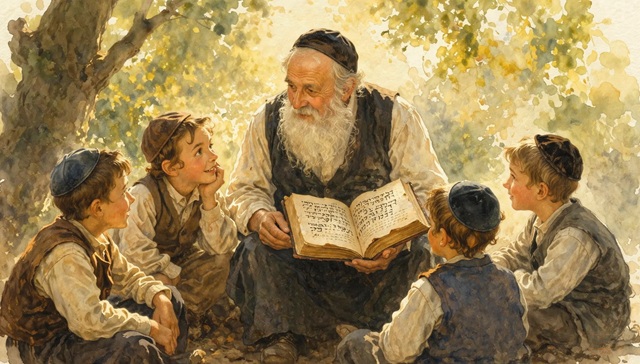
But others are misunderstood or overlooked by their contemporaries. Their wisdom and moral influence are recognized only by later generations. “Tov shem mi-shemen tov.” Anointing oil marks a moment, but a shem tov endures, continuing to inspire long after its bearer has passed from the world.
At times, a person’s impact grows even stronger after his death, through his students and teachings. As Solomon continues: “and the day of death more than the day of birth.”
This, then, is the crown worth seeking: not power, not status, but the crown of shem tov, a lasting influence that lives on in future generations.
(Adapted from Ein Ayah I on Berakhot 2:53)