The account in the Torah describing Creation and the beginnings of mankind is not particularly encouraging. We read of Adam’s sin, the murder of Abel, the origins of idol worship, the corrupt generation of the Flood, and so on.
The Kabbalists used the term shevirat ha-keilim, breaking of the vessels, to describe the many difficulties that occurred in the process of creating the world. With this phrase, they wished to convey the idea that the limited physical realm was incapable of accepting all of the spiritual content that it needed to contain. Like a balloon pumped with too much air, it simply burst.
The Midrash (Breishit Rabbah 5:9) relates that these failings were not only with the human inhabitants of the universe, but also with the heavenly bodies (a power struggle between the sun and the moon) and even with earth itself. The “vessels broke” on many different levels.
What was the “rebellion of the earth”?
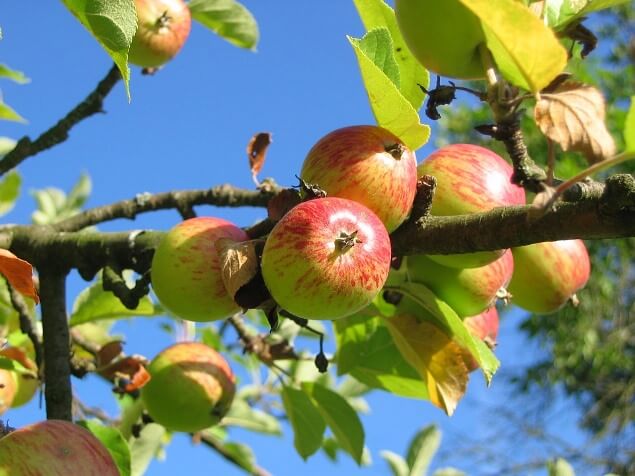
God commanded the earth to give forth "fruit trees producing fruit” (Gen. 1:11). The earth, however, only produced "trees producing fruit” (Gen. 1:12). God’s intention, the Midrash explains, was that the trees would be literally fruit trees — i.e., the taste of the fruit would be in the tree itself. Were one to lick the bark of an apple tree, for example, it would taste like apple.
What does this mean? Why should the trees taste like their own fruit?
Appreciating the Path
Rav Kook explained that the Midrash is describing a fundamental flaw of nature. One of the basic failings of our limited world is that we are unable to appreciate the means — the path we take towards a particular goal — as much as we value the goal itself. We set for ourselves many goals, both short-term and long-term; and we are usually excited, even inspired, by the vision of accomplishing our final objectives. But how much exhilaration do we feel in our laborious, day-to-day efforts to attain these goals?
A number of factors — the world’s material character, life’s transient nature, and the weariness of spirituality when confined to a physical framework — contribute to the current state of affairs, so that we can only sense true fulfillment after attaining the ultimate goal.
God’s intention, however, was that the soul would be able to feel some of the inspiration experienced when contemplating a sublime goal also during the process of achieving that end. This is the inner meaning of the Midrash: the means (the fruit tree) should also contain some of the taste, some of the sense of satisfaction and accomplishment that we feel in the final goal (the fruit).
In the future, the flaws of Creation will be corrected, including the sin of the earth. The world’s physical nature will no longer obstruct the resplendent light of the ideal while it is being accomplished through suitable means. Then we will be able to enjoy genuine awareness of the ultimate purpose that resides within all preparatory activity.
(Gold from the Land of Israel, pp. 21-22. Adapted from Orot HaTeshuvah 6:7)